Tag Archive for: Grand Junction Real Estate
Grand Junction, Colorado Real Estate & Homes for Sale
Search Grand Junction & Mesa County Homes
 Looking to start your Grand Junction home search? Whether you’re relocating to Mesa County or exploring neighborhoods locally, my free MLS search gives you accurate, up-to-date listings — not delayed national portal data.
I am a proud member of the Grand Junction Area Realtor Association (GJARA) and a trusted GJARA Relocation REALTOR® with 25+ years of experience helping buyers relocate and purchase homes in the Grand Valley. I offer expert guidance at every step. From understanding neighborhoods to finding the right property for your lifestyle, I make your move easier and more confident.
Whether you’re casually browsing or preparing for a move, my local MLS search lets you explore Grand Junction and Mesa County homes at your own pace, without unnecessary pressure.
Download the Free MLS Area Map Guide
Before you dive into the listing, be sure to review the Grand Junction MLS area search map guide PDF (pictured above) to explore neighborhoods and make your Grand Junction home search more effective.
The Grand Junction MLS area search map guide defines where “north” Grand Junction is, boundaries for the “Redlands”, and zip codes you can use when setting up your MLS search criteria.
Before you begin your Grand Junction home search why not discover more about Why people are Moving to Grand Junction
Explore Every Listing in Grand Junction & Mesa County
My local MLS-powered search gives you direct access to real-time listings across Grand Junction and Mesa County. Filter, save favorites, get automatic updates, and collaborate with a trusted local agent — all in one experience.
Benefits of Using My MLS Search:
- Explore active homes in real time
- Save favorites and receive automatic updates
- Collaborating with a local GJARA Relocation REALTOR®
Guidance Behind Every MLS Listing
Every home has a story — and I can help you uncover it. Is a property sitting on the market due to pricing, condition, or past offers that fell through? Were there renovations, repairs, or unique quirks not shown in the MLS? I dig into the details so you can make smarter, more confident decisions when searching for a home in Grand Junction.
Pro Tip #1: If a home has been listed for weeks or months, it doesn’t always mean its undesirable. I can uncover the real reasons so you can spot hidden opportunities.
Why Work with a Local GJARA Relocation REALTOR®
As an active GJARA member, I can provide:
- Verified MLS data updated in real time
- Local market trends and property value guidance
- Personalized relocation guidance for out-of-state buyers
Pro Tip #2: Local GJARA data is more accurate than national real estate portals, which often show pending or sold homes as “active.”
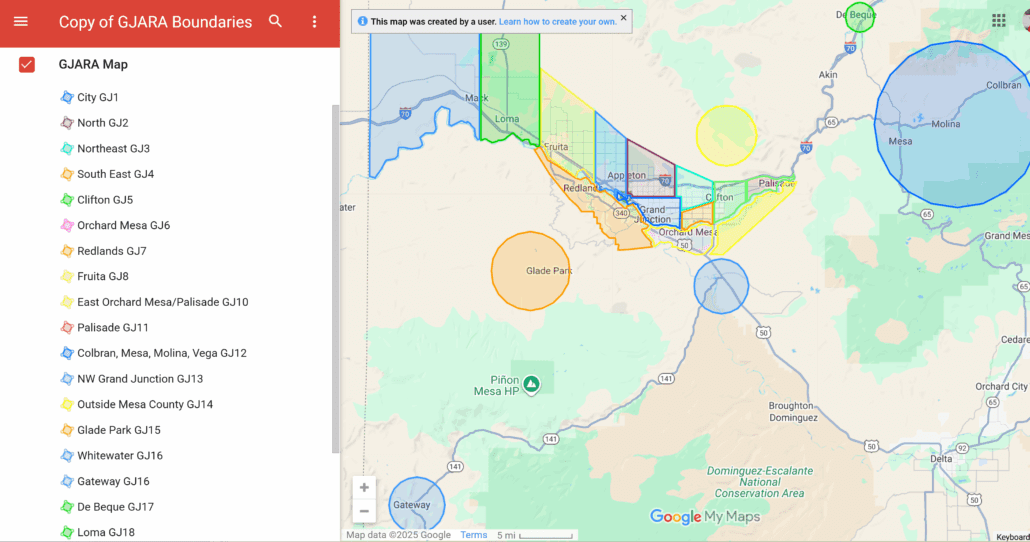
Grand Junction Area Association of Realtors Boundary Map
Privacy & Security of Your Search
Your search data stays 100% private. Unlike many national portals, your info is never sold, shared, or fed to advertising networks. My MLS search keeps your experience focused on accuracy — not ads for the agent who paid the most to get in front of you.
Pro Tip #3: Many buyers find listings on national sites that are already pending or sold. My MLS search gives you the real status instantly.
Tips for Exploring Homes in Grand Junction & Mesa County
- Evaluate photos carefully; ask for insights.
- Read between the MLS lines for key details.
- Spot red flags early (price drops, re-lists, deferred maintenance).
- Get access to off-market or pre-market listings.
- Check listing details before considering a showing; virtual showings available.
- Sign up for automatic updates and save favorites.
Grand Junction Relocation Made Easy
Relocating to Grand Junction? My local MLS search helps you explore homes from anywhere, while my expertise helps you choose neighborhoods, schools, and amenities that fit your lifestyle.
Here are some articles I wrote that you might be interested in:
- Complete Grand Junction Relocation Guide
- Tips for Decluttering Before a Move
- Referral Agent Services
Pro Tip #4: Research neighborhoods, commute times, and schools before considering a showing.
Pro Tip #5: Use the City of Grand Junction GIS map for property info: https://www.gjcity.org/maps
Local Expertise You Can Count On
With 25+ years of real estate experience as a top Grand Junction Relocation REALTOR® and former Broker/Owner of my own brokerage, I’ve guided hundreds of buyers and sellers through smooth, successful transactions. My extensive expertise ensures you’ll get proper guidance to make confident, informed decisions at every step of your home buying or selling journey.
Expect honest guidance, local insight, and a no-pressure experience.
Ask me about my customized Grand Junction Housing Market Update reports I can email to you with your own search criteria.
What My Clients Are Saying
“Paul does an excellent job relating to the customer. He pays attention to details and is very organized. He has an easy-going demeanor and is very professional. It was a wonderful experience working with him!” ⭐⭐⭐⭐⭐- Lance, Candace and Elle Kaiser
“I had a great time with Paul as my Realtor® and I would definitely recommend Paul to anyone who needs a Realtor®!” ⭐⭐⭐⭐⭐– Robert Robinson
Start Your Grand Junction & Mesa County Home Search Today
Use my free local MLS search to browse all homes for sale and collaborate with a trusted GJARA Relocation REALTOR®. Whether it’s a starter home, family residence, or luxury property, you’ll get accurate listings and expert guidance.
Pro Tip #6: Save your favorites and get instant alerts for new homes matching your criteria.
FAQs about Homes for Sale Searching
Q: How do I search the Grand Junction and Mesa County MLS?
A: Use my free local MLS search above. Filter by price, features, and neighborhood.
Q: Do I need to register to browse homes?
A: No. Register only if you want to save favorites or get updates.
Q: Why work with a GJARA Relocation REALTOR®?
A: Verified MLS data, local insight, and professional guidance make your relocation smoother.
Q: Can I see off-market or pre-market homes in Grand Junction and Mesa County?
A: Yes! When you work with me under an exclusive representation agreement, you might gain access to properties that often never appear on public MLS sites. As a local GJARA Relocation REALTOR® with a strong network, I frequently come across early off-market and pre-market listings, helping you uncover hidden opportunities before other buyers see them.
Helpful Travel & Visitor Resources
- Visit Grand Junction – Official tourism site
- Grand Junction Visitor Center – Maps & brochures (we love the Fruita Visitor Center too for in-person visits)
- Grand Junction Chamber of Commerce – Local highlights and events
- Go Fruita – Official tourism site
- Visit Palisade – Official tourism site
Reach out with confidence! I’m here to help! Contact me to set up a Free consultation to discuss your potential move.
Live Your Vacation in Grand Junction!
 Text or Call (612) 306-9558 (locally based)
Paul Aspelin, REALTOR®
GRI, SRES®, CNE
Learn more about Paul Aspelin
Paul Aspelin Reviews and Recommendations
Serving Grand Junction, Fruita, Palisade and all of Mesa County Communities.
👉I was recently featured in The Grand Junction Sentinel for my work helping people relocate to Western Colorado.
Licensed in Colorado.
© 2025 Paul Aspelin, REALTOR® MovetoGrandJunction.com.
Copyright protected. All Rights Reserved.
 Moving Preparation Guide for People Relocating to Grand Junction
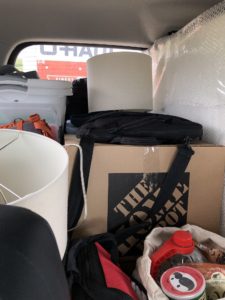 Moving Preparation Guide for People Relocating to Grand Junction
Getting started with your Moving Preparation in order to relocate to Grand Junction can be daunting, we get it. Paul has been a REALTOR® since 2001 and I worked with him at our Minnesota Brokerage for twenty years, so we understand the process of moving from a buyer and seller’s perspective. If you are considering moving to Grand Junction, we know that simply the thought of moving might make you hesitate. We moved from our home of 26 years. We know how “things” can accumulate.
To make it easier for you, I wanted to provide some of the Moving Preparation we went through that you may find useful. There is no right or wrong way to do this. Our preparation took over two years, shifting our focus along the way. We took breaks and we asked for help when we needed it. Moving is a big deal, we know.
Decluttering your home
The first step we took was to simply start decluttering our home. We were extremely motivated after watching the 2020 documentary called The Minimalists: Less is Now. Here’s a 2-minute trailer for the documentary on Netflix. That really got us motivated to pass on to others what we weren’t finding value in anymore. We were ready to be less attached to things and spend more time on activities and traveling to new places.
Starting with just one room, our owner’s suite bathroom, we removed everything, did a deep clean, painted, and then put back only what we were currently using. Everything else got donated or sold. After completing that one small space, it gave us encouragement to repeat the process in each room. This process can be started immediately and will last until the day you pack the last box.

In the kitchen, we got rid of expired food and spices, storage containers missing the lids, pots and pans we didn’t really need but thought we did. We donated small appliances and serving pieces we only used on a rare occasion.
If there was a small item I was hesitating on keeping because I wasn’t sure if I’d need it, I learned to ask myself “Can I buy it again within 20 minutes for under $20?” If the answer was yes, then it got donated. Knowing that if I miss it in the future, I could always buy it again. Since moving to Grand Junction, we’ve only purchased one or two things of the thousands of items we donated.
If it wasn’t hanging on the wall now, or on display somehow, then do I really want it? We had artwork and wall art stored in our basement. What good does it do in a box? During this process I pulled out some heirloom items to display them vs having them packed away. Now I get more enjoyment from having them.
Deferred Maintenance
There were things in our home that were ok for us, but if we wanted to sell our home for top dollar, we needed to do some additional maintenance to make it really shine. Starting with the exterior, we painted the trim, releveled the concrete sidewalk that had sunk over the years, and painted our steel garage doors. In addition, I thinned our landscaping, added more mulch and moved some plants around to fill the space. I took seasonal photos too, especially in the spring and summer in case we ended up moving in the ugly winter season.
Inside we did things like sanding down our wood windows and sealed them where they were showing wear and tear. In our basement we painted it a light, neutral color and replaced the carpeting. We scrubbed our kitchen and bathroom cabinetry inside and out and used a special oil to brighten up all of the natural woodwork.
Painting
First, we started by removing personal photos from shelves and walls to help buyers envision themselves living in the house instead of seeing our family there. Holes in the walls were patched and rooms received a fresh coat of paint. In all the bedrooms, walls were updated to a warm beige, which feels welcoming—never go completely white, as it can feel too sterile. Even the laundry/mud room and the metal door from the garage benefited from a new coat of paint.
If there’s a dark accent wall you love, remember that a buyer may perceive it differently. Neutralizing bold colors is usually worth the effort, since a dark wall can feel like “one more thing we need to do before moving in”—something you want to avoid for a smooth sale.
Determining What to Keep
 This whole process is emotional. We started with the easy decisions first. Things we didn’t use anymore or were outdated. Things we knew for sure we didn’t want or need anymore. After all, we were moving from a 2600 SF home with a full basement and three-car garage to a home of half the size. Knowing we would be downsizing, we actually looked forward to getting rid of stuff. It was very gratifying to see an empty surface or sparsely filled cabinet.
When I came across an item that we had more attachment to, like family photo albums, I waited to make a decision on those. I wanted to do all the easy stuff first, then come back to the more difficult, time-consuming things.
Clothing was pretty simple. If I hadn’t worn something during that season, and it wasn’t for special occasions, I donated it. I eliminated items that had limitations, like items I would only wear around the house. I kept one pair of black heels and black sandals and will only buy dresses that go with black footwear in the future. Working from home made that an easy decision.
There were way too many towels, and we do laundry each week, so why do I need more than a week’s worth of any one type of clothing? 10 pairs of black socks, nope, 2-3 will do. You get the idea. I kept a variety but not a large quantity of any one thing.
Difficult Decisions
Historical items were tough for me. My mom didn’t keep much from my childhood and I wanted my teenage kids to determine what they wanted to keep from theirs. We got some large rubber totes with their names on them and started to pack their childhood memories. Things they wanted to keep but didn’t have room for while away at college. Paul and I have a box marked heirloom items where we have special things we will keep forever.
Letting Go of Photo Albums and Yearbooks
What was difficult were all the photo albums and high school yearbooks. There were over 15 albums, mostly from our teenage years and early marriage. Eventually we stopped printing photos taken from our camera and saved photos digitally because we were taking them on our phones vs with a camera. We decided to go through each album and relive those memories. I took digital pictures of some and shared with family and friends. I have the memories, and saved some photos from the event, just not ALL the photos, and I am ok with that.
You can buy a digital photo frame too where you add the app to your phone and upload photos to a digital frame that you keep in your living room or wherever you spend a lot of time. I see them as a collection on my phone too each time I go to open the app. It makes me smile. I helped my mom take pictures of very old photographs of her family so she could add them to her digital frame. It allows you to enjoy them now vs letting them sit in a box.
Documents and Business Records
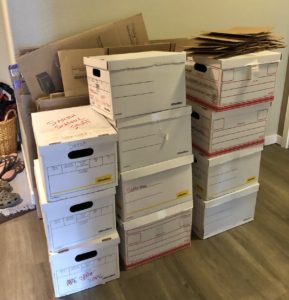
Because we owned two businesses, we had to keep our records and IRS/State Tax Returns for a certain number of years. I used to keep more than we needed because I had the space. We started to shred the old files and burned some too. I put a “destroy date” on the boxes and I just shredded a box with a 2024 date on it, and it felt so good to get rid of it!
I scanned or took a picture of all of our important business and personal documents so I could get access to them easily in our new state. Marriage license, business formation documents, wills and estate documents, etc. Making as much digital as we could took time, but was well worth it for easy access. Digital files take up way less space too!
Fill Those Trash Bins
Every week for a year we hauled our 30-gallon garbage bin down to the curb, and made sure it was FULL. In the beginning it was easy. We threw out old rugs that were fine for the unfinished part of our basement but we knew we wouldn’t need them in the future. If the bin wasn’t full by the night before, we walked through the house to see if there was anything else we could add.
Donating Items to Charity
This was easy. I did NOT want to have a garage sale. The pain of setting it all up, and running it, to only make a few hundred dollars wasn’t a good use of my time. We focused on donating as much as possible and lumped our donations into every other tax year so we could itemize our deductions. Every charity that called asking for item donations, I said yes to. My goal was to give them 2 trash bags full of donations. I did this every few months with multiple charities like the Disabled Veterans and the Epilepsy Foundation. They came to the house to pick it up, so it was easy.
I made regular trips to other local charities with small furniture, clothing, yard maintenance items, and household items. It was easier than we thought to sell larger items like beds, couches and our dining room table using Facebook Marketplace. Luckily we sold our lawn mower and heavy duty snowblower to our neighbors! We kept what was easy to move or our favorites.
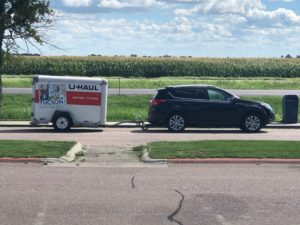
U-Haul trailer and our Rav4 driving to Colorado
Moving Across the Mountains
Everything we owned got packed into one 20’ moving truck Paul drove, and one small U-Haul we towed with our Rav4 over the mountains. Ask Paul about that uphill climb out of Denver on I-70! LOL. He wrote a post about what it’s really like to drive I-70, that post is worth a read, it will make you laugh and make you aware that it’s not your typical interstate highway.
Decision Fatigue
My final moving preparation tip is to realize that decision fatigue is real. There were days I just couldn’t make any more decisions about our “stuff”. I set some things aside I just didn’t know what to do with, keep or not keep? Some things needed more research. For example, I donated the formal dresses from the school dances my girls attended to a specific charity just for that purpose vs Goodwill. Did you know Goodwill takes bowling balls? At least the one by us did, but call first to verify. Our local bowling alley didn’t want them.
Letting Go of Gifts and Cherished Items
Gifts from other people that I didn’t find value in anymore created a strange feeling because I appreciated the gift when I got it. And I probably used it, but just didn’t want it anymore. It was a bit more difficult donating a crystal vase that was a wedding gift. There was some guilt to process, but I tried to relive the moments and the people during this purging process. I took photos of items and texted a few to my college friends and we laughed. I wanted to embrace this process as much as possible, even knowing there would be difficult moments and tough decisions along the way.
When our house started to look sparse, I actually found it a relief. We sometimes wonder what was in all those boxes stored in the basement. It seemed we kept stuff because we could, just in case we needed it. But what we found out was we really didn’t need those things anymore at all. I was happy that others could find joy in the items that were being donated and sold.
Preparing a Home to Sell
 Paul always tells his clients that “The way you sell a home is different than the way you live in a home.” That means decluttering and depersonalizing it as much as possible before it goes on the market. Pre-packing items that are used on rare occasions or in a different season than the one you are currently in can really help open up your cabinets and closets. You want buyers to be able to easily walk up to a window and move from room to room. Too much furniture makes a room look small. Most times less is best.
👉 You may want to read Paul’s post about essential steps for moving.
You Only Have One Chance to Make a First Impression
You want your home to look it’s best when the photographer comes to take photos. Make sure your horizontal surfaces are free from clutter. Put things away in drawers, closets or cabinets. Make sure your closets don’t look over-stuffed.
Make sure your home shines and there aren’t loose hinges, burnt out lightbulbs, discoloration or stains. When in doubt, replace it, paint it or get rid of it. You want buyers to see the potential of living there, not a potential list of repairs, replacements and concerns. Ask Paul about the value of getting your home pre-inspected. We did and we found some items that we could easily fix that we weren’t aware of ourselves. When we sold our home (after the first showing) the buyers didn’t ask us to do anything more to the home after their inspection. They could tell we had taken good care of it.
If you want a smooth selling experience before you move to Grand Junction, or anywhere, do as much work ahead of time as you can. It will pay off in a much smoother transaction and save you time and frustration during the home selling process. You may want to read Paul’s post about writing Contingent Offers. Ask him about Radon too!
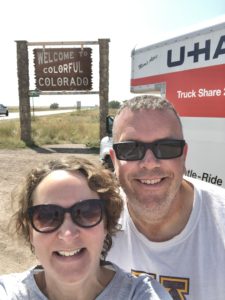
Moving to Colorado with our 20′ U-Haul truck!
If you need help interviewing and hiring a professional real estate agent where you live, he can help you with that too. You want an agent who understands how preplanning, and preparation can help reduce the stress and anxiety around moving.
If you are considering moving to the Grand Valley, call or text Paul (612) 306-9558. He’d be happy to give you a tour of the area if you haven’t been here before. We have lots of posts about what to do, things to see, and places to eat in this fantastic geographic location.
Learn more about Paul Aspelin and read the numerous recommendations and testimonials he’s earned over his career.
Guest Post from Michelle Aspelin
Grand Junction, Colorado resident since 2023.
Move to Grand Junction, we’ve been waiting for you!
© 2025 Paul Aspelin, REALTOR® and Michelle Aspelin. MovetoGrandJunction.com Copyright protected. All rights reserved.
Grand Junction Colorado Seems Perfect… But What Am I Missing?
Are there some Cons to living in Grand Junction Colorado? Yes, there are a few, but most are easy to work around. The majority of the posts on this site focus on why moving to the Grand Junction area is a great idea—but as someone who has helped home buyers from Pennsylvania, New Jersey, Arizona, Nevada, Florida, Texas, Oklahoma, Michigan, and many other states, I know it’s important to share the full picture.
As I help clients relocating to Grand Junction from Denver or out of state, they ask a lot of questions about the area. My wife and I love life here, but, in fairness, there are a few cons to living in Grand Junction.
When people search for a new home, they usually make a pros-and-cons list before writing an offer. Finding the perfect community works the same way—rarely does one place “check all the boxes.” While Grand Junction, Palisade, and Fruita (collectively the Grand Valley) have many great attributes, here are a few things to keep in mind.
👉 Get expert guidance for your Grand Junction move—Schedule Your Free Consultation Now
General Observations
One of the first Cons of Living in Grand Junction Colorado is the dust. You may want an unlimited car wash pass. You are in the high plains desert after all, but I have not seen dust storms like you would see in Arizona. However, dusty homes and dusty cars seem more common. Why wash it if it’s just going to get dusty again the next day? Plus, less washing conserves water. You may just have to get used to driving around in a dusty vehicle and dusting your home more often. We have a portable air purifier we like to use that we bought which really seems to help.
The nearest Costco is 2 hours away in Eagle/Gypsum on I-70. If you are a Costco fan, that is a bummer. We try and time our trips to Costco with other adventures. We do have a Sam’s club to tide over the bulk shopper cravings. Sorry Costco lovers, I understand your struggle. We almost got one in 2024 so ya never know.
There are jacked up trucks everywhere. There must be a bunch of rednecks in GJ! No, it’s because we are one of the greatest off-roading destination basecamps in the world. If you haven’t tried it, don’t knock it. I’ve experienced Moab, Utah and it should be a bucket list item whether you are into that sort of thing or not.
The greatest sites around are many times down a 4×4 trail in the desert or the mountains. Back in MN, we called these Stump Jumper trucks. Around here it would be more like rock crawler trucks. Warning – don’t take your “stock Jeep” out on the trails in Moab. Those Jeeps have special equipment to handle crawling the beautiful rocky trails. Rent an ATV, those are so fun! Ask me about the times I have rented ATVs in Moab! There are a few photos on my post called Day Trips from Grand Junction.
If you like to travel by air, you can add about $250 to each trip for the puddle jumper that gets you to a larger city for connecting flights. You can also drive to Denver or Salt Lake City and fly from there. Montrose Regional Airport is another consideration for your departure airport and can be less expensive. We like to fly out of GJT even though it’s more expensive because it’s so darn convenient. Just 15 minutes away, no long lines, no traffic to worry about. Ready my post about our Grand Junction Airport Experience to learn more.
Although we are a medical hub, there is a shortage of medical professionals. For routine visits like a physical you may have to wait 30 days for an appointment. So, plan ahead. Maybe get all of your routine medical visits done in your current state before you move here.
 Those darn goat heads! My relative came to stay at Camp Eddy for three weeks and was excited to ride his bike on the paved Colorado Riverfront Trail each morning. It didn’t take long before he got a flat tire from a goat’s head. Luckily, he got his tire repaired nearby. He was told you need inserts in your bike tires, even on pavement, especially if you ride along the river where these plants are. Do this up front so you don’t get stranded.
What’s a goat’s head? It’s a weed who’s spiky, sharp thorn resembles the head of a goat. On a positive note, while his wife was stranded on the trail with his bike, waiting for him to go back and get the car, several people stopped and asked, “Do you have a rescue squad on the way?”. That was nice. Goat’s Head on Wikipedia
Housing Related Observations
Another of the Cons of Living in Grand Junction Colorado is the lack of Professional Resale Home Staging – It’s Nonexistent. This was the first thing I noticed when starting my real estate practice in the Grand Valley. I walk into homes all the time that I wouldn’t deem ready for market. Some things in the real estate industry here are decades behind major metropolitan areas. This can lead to increased market times. Don’t let the pictures sway you, I am able to help look through the clutter and help paint a picture of a great house.
I don’t feel the market times here quite match those of a major metro area. Besides, Grand Junction area market times are calculated on the days from hitting the market to the closing versus the days it took to secure an offer. Most people request 30-60 days from the offer to close so an 88-day average market time as advertised here is actually much less. It’s just calculated differently.
Sewer line issues in older homes can be an issue because years ago they were made of clay. You’ll want to have the sewer line from the property to the street scoped during your inspection period. It’s cheap insurance. The cost can be around $150.
Homeowner’s Insurance in more remote areas, like up on the Grand Mesa or in Glade Park, can be expensive depending on how close you are to a fire station or fire hydrant. Are you looking for more elbow room? That could come at a cost when it comes to insuring your remote property.
Certain neighborhoods with existing homes and even new construction developments have a history of foundation concerns. The water table is so close to the surface in some areas that piers or pilings need to be installed because soil is moving. About 25-30 years ago when Grand Junction started to take off, the builders were not aware of these soil conditions in certain areas. Some existing homes have had foundation repairs or are still dealing with issues. Soil testing is an absolute necessity in building new construction. This could cost you $1500 up-front depending on the lot size and number of soil borings needed.
The lot price may not be the lot price. Because of the soil conditions in some areas, your new home may require a pier system under your concrete foundation. Pilings are expensive and could add $20- $100k to your costs just to make the lot you buy buildable.
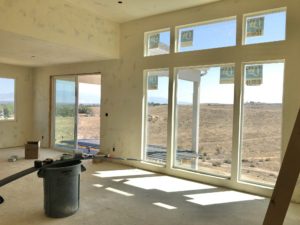
I represented new construction buyers in the Redlands 360 Easter Hill neighborhood.
There are limited national builders in the Grand Valley. Now that could be considered a pro and a con. Most are custom home builders run by small businesses. In 2026, Lennar is starting to build in Grand Junction.
New construction builders do not have the same level of cooperation with Realtors® that I was used to back in a major metro area. If you are going to build new, make sure to talk to your agent about builder/Realtor® cooperation hurdles. Even more of a reason to hire an agent who represents YOUR best interests!
There are some areas to be more cautious about. We’ve got some neighborhoods that were built 40-50 years ago to create affordable workforce housing for the oil and mining industry employees. Sometimes low-cost housing is in areas with higher crime, but not always.
Are the unhoused an issue? I’ve witnessed homelessness but never had any issues or concerns. There are certain parts of town where they gather more often, but it’s nothing like the major metropolitan areas.
Land use and Zoning seem odd compared to where we lived in a western suburb of Minneapolis. This town was not planned out like the suburbs of a major city when it comes to zoning and land use. You may drive through an industrial park of commercial buildings to get to your neighborhood. Some people get turned off by that, but it’s just the way GJ is. We also have many small farms or ranches that have accumulated unwanted items over the years in their yards. You can literally have a gorgeous neighborhood next to a yard that looks unkept. They did do a good job laying out the streets in grid format. That makes it easy to get around town.
The month of October can be tricky for scheduling contractors and even professionals. Hunting is a major part of life in and around the Grand Valley and October is elk hunting season. People literally take weeks off at a time to attend elk camp with their family and friends. Traditions are an important part of living out west.
Many stucco homes. Coming from MN, buying a stucco home was a huge NO NO! In Minnesota I saw so many stucco issues with mold and even mushrooms growing on the interior walls. It wasn’t worth the risk. In this dry climate, however, it doesn’t seem to be an issue. I remain cautiously optimistic about stucco homes in the Grand Valley.
Home prices seem to be high. I hear clients say this all the time, “I don’t want to buy at the top of the market.” With any home purchase decision, I recommend this be a 10-year purchase, if possible. Our prices are going up because the demand is going up. Like most other communities, we also have a shortage of homes. The driver behind that is the high number of people moving to the Grand Valley from other states. The inventory is low, but the demand is growing stronger than most cities.
Connect with me to learn more about the Pros and Cons of Living in Grand Junction Colorado
While this post has highlighted several of the Cons of living in Grand Junction, we feel the positives far outweigh those. Some of the best things about living here are the geographic proximity to so many wonderful areas and a great sense of community. To end on a high note, consider reading some of these popular (and funny) posts.
Retire in Grand Junction: Your grandkids and kids will thank you
What it’s Really Like to Drive I-70 from Denver to Grand Junction
Accolades for the Grand Valley
About ten years ago while on vacation in Whitefish, Montana (Glacier National Park area), we went into a local shop to buy some souvenirs. The clerk behind the counter was wearing a T-shirt that said, “My life is your vacation.” We laughed, but now Live our Vacation in Grand Junction!
Move to Grand Junction. We’ve been waiting for you!

Moab Trip
👉 Get expert guidance for your Grand Junction move—Schedule Your Free Consultation Now
Text/Call (612) 306-9558 (locally based)
PAUL ASPELIN, REALTOR®
GRI, SRES®, CNE
Serving Grand Junction, Fruita, Palisade and all of Mesa County
Licensed in Colorado
Connect with me on LinkedIn or send me an email.
I was recently featured in The Grand Junction Sentinel for my work helping people relocate to Western Colorado. 📖 Read my Agent Spotlight in The Grand Junction Sentinel
It’s All About LOCATION, LOCATION, LOCATION
I am amazed at the number of unrepresented home buyers that are relocating to Grand Junction who attend open houses. These buyers come into town for a long weekend to get a feel for the area. They casually attend open houses to gauge the real estate market.
It’s no secret that thousands of people each year are considering relocating to Grand Junction with all the recent national press and accolades the Grand Valley has received. Grand Junction has become a hotbed for attracting home buyers and retirees from all over the country. What’s not to like? A mild climate with four seasons and unlimited access to outdoor activities. Plus, views that will continue to amaze you for years to come. Moving to Grand Junction isn’t about buying a home, it’s about experiencing a new lifestyle.
I AM Your Grand Junction Relocation Guide
 If you are going to take the time to plan an exploration trip to see if relocating to Grand Junction is in your future, just call me! Whether by plane or car, allow me to make the most of your time while you visit. I understand many of you are early in your decision-making process. Still, “thinking about it” is all part of the natural process. I get it.
Sharing this valley and a few homes along the way is one of my favorite parts of the job. I happily spend an afternoon—or even a whole day—helping people see if Grand Junction is the right fit. No strings attached. Location, location, location is often cited as the heart of every home purchase, but have you ever considered the deeper meaning of repeating that word three times?
👉 Read my post about being your personal Grand Junction Relocation Guide!
The True Meaning of Location, Location, Location

Flying over Grand Junction – read about our Grand Junction Airport Experience
The first “location” refers to the city itself, or in our case, the entire Grand Valley. Does the city have the amenities you need? Where is the nearest grocery store? How about a Target, Best Buy, or local farm to table dining options? How far away is the nearest airport? Does it have a quaint downtown area? Is there a sense of community? Do I feel safe? The questions differ for everyone, but the process remains the same. Everyone starts from a 10,000 ft point of view.
The second location is filtered down one more segment to which part of the broader area interests you?
Will you end up relocating to Grand Junction, Fruita, Palisade, Whitewater, Glade Park or up on the Mesa? Some of this will be dependent on the price range you are considering, but not always.
Do you want to be able to walk to downtown? Are certain schools important to you? Is there a desire for some elbow room and acreage? Is a view important? Would you like to walk out your back door and be on world class trails within minutes? Is the distance to your work something to take into consideration? Where are the new construction developments in the area? Everyone has different wants and needs.
Finally, the third location narrows things down to neighborhoods and the actual home location within those neighborhoods. How does it feel when you first drive down the street? Are yards well taken care of or do they look like everyone is having a year-round yard sale? Is there a large undeveloped parcel behind the neighborhood that offers space now, but in the future is designated to be a rock quarry? Are you looking for newer homes or one with a more historic feel?
These are just some of things people relocating to Grand Junction take into consideration while they process if a move is right for them.

Why choose to Retire in Grand Junction post by Paul Aspelin
Your Grand Junction Relocation Guide
Now, imagine if you had a guide to help narrow things down. A guide who could also give you insight into what people do in their free time? From farmers markets to summer concerts in Los Colonias, or best day trips from Grand Junction or tips on where your best chance to see bighorn sheep might be? There is so much more to understanding an area than aimlessly driving around and attending a few open houses.
I understand the thirst for knowledge about a new area is essential before making a move. Many people become obsessive Googlers when researching relocation—something I can relate to, having spent two years doing the same before moving. That experience inspired the creation of this blog. With a little guidance, your visit can be maximized, even if it’s just an afternoon together, setting you on the right path to explore the Grand Valley on your own the next day.
You may have wished you had a friend in the area to show you around, now you do. Call or text me with confidence (612) 306-9558. Get started with your move to Grand Junction!
You might also enjoy my post called Retire in Grand Junction – your kids and grandkids will thank you and What I Learned After Living Here for 3 Months. Things to do in Grand Junction: Easy Hikes, oh, and everyone’s favorite, What It’s Really Like Driving I-70!
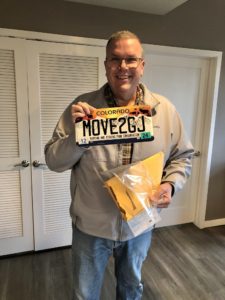
Check out my custom license plate!
Move to Grand Junction… we’ve been waiting for you!
Text or Call (612) 306-9558 or schedule a Discovery Session to get all your questions answered
PAUL ASPELIN, Relocation & Listing Expert
REALTOR®, GRI, SRES®, CNE
I am your personal Grand Junction Relocation Guide
Connect with me on LinkedIn or send me an email.
Learn more about my experience and how I serve my clients
© 2025 Paul Aspelin, REALTOR® MovetoGrandJunction.com Copyright protected. All rights reserved.
Grand Junction Train Station
When someone says Grand Junction Train Station, they could be talking about the Amtrak Train Station where you can hop on the California Zephyr line. Or they could be thinking about the Grand Junction Union Depot. The Union Station Depot was built in 1906 by the Denver & Rio Grande Western Railroad, just one year after Grand Junction became a town. First, I’ll share with you about the functionality of riding the train, then what’s happening at the historical depot in town.
This post about the Grand Junction Train Station and the Grand Junction Union Depot was a suggestion from some wonderful relocation clients I met from St. George, Utah. If you have an idea for a post, please send a text to 612-306-9558 or send me an email.
The Revival of Rail Travel from Grand Junction

Grand Junction Amtrak Train Station next to Pufferbelly Station Restaurant
In recent years, Grand Junction has seen a resurgence in train travel, thanks to the Amtrak California Zephyr line, which runs from Chicago to Emeryville (near San Francisco). The train stops at the Grand Junction Train Station, providing a reliable and scenic way to travel through our picturesque Rocky Mountains. The Grand Junction Amtrak Train Station is located right next to the scrumptious Pufferbelly Station Restaurant on 1st Street near Pitkin Ave in Grand Junction. Convenient access to local shops, restaurants, and somewhat close to the Museum of the West on Ute Ave., a popular place to visit to learn about the history of this area, including mining and train travel.
You can board the California Zephyr in Grand Junction and head west to Salt Lake City, Reno, and ultimately San Francisco. The westbound train leaves once a day in the late afternoon. Heading east, you can explore destinations like Glenwood Springs, Winter Park, Denver, Omaha, and Chicago. The eastbound train leaves mid-morning. The train ride offers comfort, stunning views, and a more leisurely pace of travel compared to flying, making it an attractive option for residents and visitors alike. We have friends who took the train to Denver from Grand Junction and thought it was spectacular! Bring snacks if you don’t get a ticket with dining access. Visit the Amtrak California Zephyr website for the route map, dining options and train schedule.
Fruita and Palisade
Grand Junction serves as the main train hub for the region. Fruita and Palisade do not have their own active train depots. Historically, both towns were served by rail lines, but these depots are no longer in use for commercial passenger travel today. If you are in Palisade, you can see the train whizzing by at a rather fast clip. When we stayed in Fruita for a month, it was the train whistles that we heard frequently and remember fondly.
Fruita and Palisade are a short drive from Grand Junction, making the Grand Junction Train Station easily accessible for those looking to travel by rail. Both towns are known for their local charm, including Fruita’s outdoor recreation opportunities and Palisade’s renowned wineries and orchards. Visitors and residents in the Grand Valley can enjoy the convenience of the Grand Junction Train Station while also benefiting from the quiet, scenic beauty of smaller towns.
You can learn more about living in Fruita and Palisade on this website.
Tips for Traveling from Grand Junction by Train

Amtrak Train Station Lobby
- Booking Tickets: Amtrak offers easy online booking for the California Zephyr. You should book tickets in advance, especially during peak travel seasons.
- Onboard Dining: There are several options for food like traditional dining and café options. Check the Amtrak website for details.
- Planning Your Journey: If you’re traveling to nearby cities like Denver or Salt Lake City, check the Amtrak schedule for stops and timings. It takes longer to travel by train than by car, so plan accordingly.
- Enjoy the Scenery: The train ride from Grand Junction is famous for its incredible views, including the Rocky Mountains, lush valleys, and expansive deserts. You’ll want to capture the breathtaking landscapes as you travel leisurely to your final destination.
- Local Transportation: The Grand Junction Train Station is centrally located near downtown, making it easy to access a Grand Valley Transit bus or rideshare services to get to and from the depot.
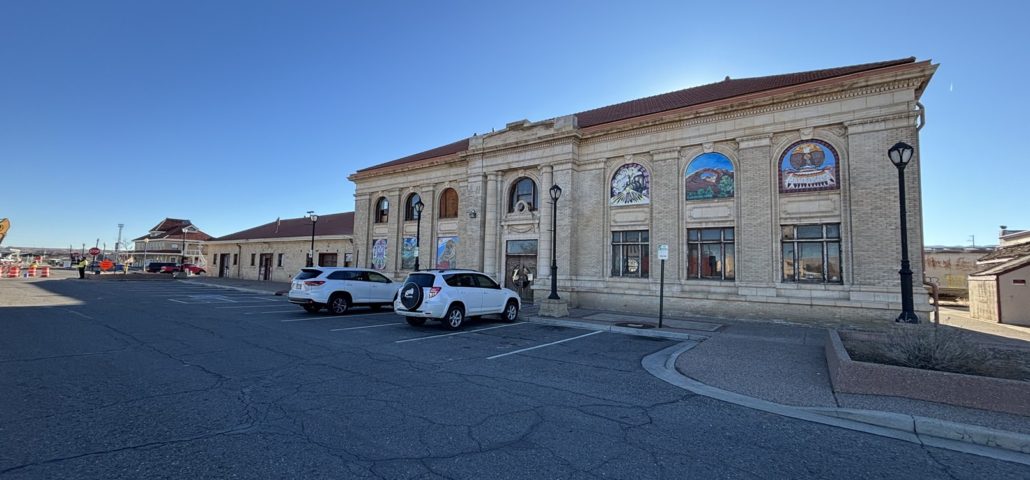
Grand Junction Union Depot and the building next to it that was used for offices now houses local businesses and a nonprofit.
Grand Junction Union Depot: A Historical Hub of the Western Slope under Renovation

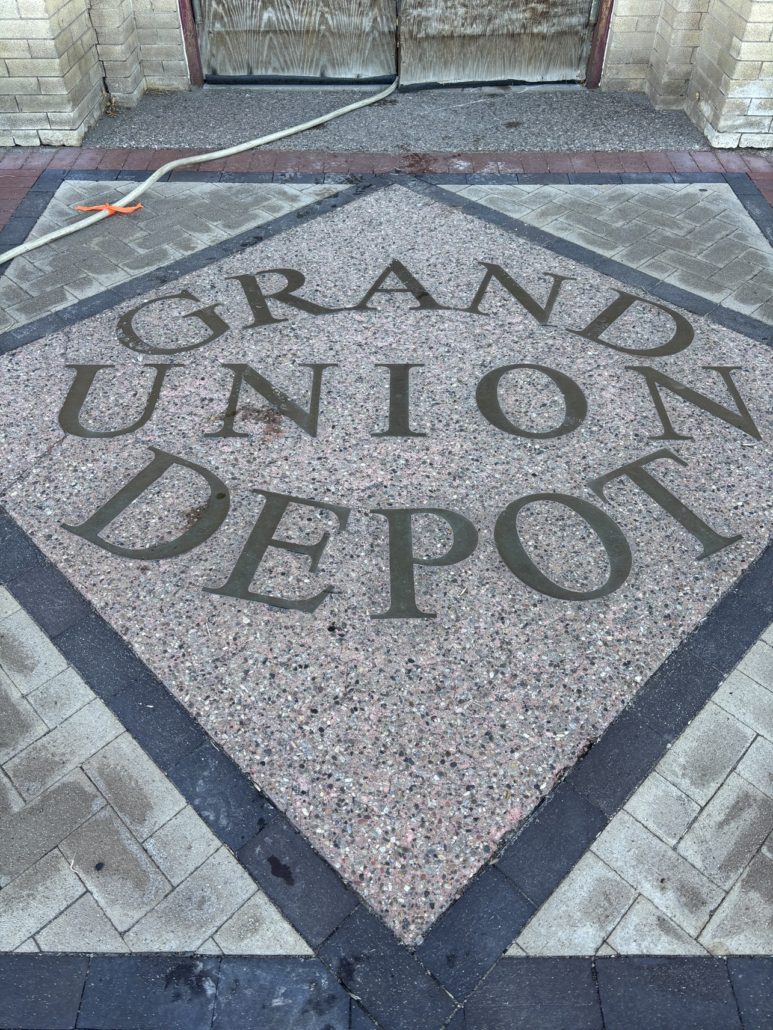
GJ Union Depot window artwork during renovations
The Grand Junction Union Depot stands as a historic gem on the Western Slope. The station served as a key transportation hub for over a century, bringing the town much needed supplies in the early days. Not only is it an architectural landmark, but it has also played a pivotal role in connecting the region to the rest of the country through rail travel. Let’s not forget that some mining towns in Colorado were first served by rail before roads were built.
The Grand Junction Union Depot is a large, impressive brick structure with elegant arches and intricate detailing. I can only image what it will look like when it’s fully renovated. Even though it’s no longer a major rail terminal, the GJ Union Depot is important to our community because it reflects our rich history and Western heritage. When you drive by, you can see the numerous murals by local artists that are on the plywood covering the window openings.
To see some amazing photos of the interior and exterior of the building, and read about the full history, visit the GJ Union Depot website or their Facebook page. According to the website,
“After 85 years of continuous service as a passenger and freight depot, the Grand Junction Union Depot had fallen into disrepair. In 1991, Amtrak vacated the grand depot and moved next door. GJ Union Depot was added to the National Register of Historic Places in 1992 and was recognized as one of Colorado’s Most Endangered Places in 2010 by Colorado Preservation, Inc. In 2016, the station was purchased by real estate developer and Grand Junction native, Veronica Sanchez and her husband Dustin Anzures. An adaptive re-use project is currently in design and seeking tenants.”
Another source of information is the Friends of GJ Union Depot whose mission is to support the preservation and rehabilitation of the historic GJ Union Depot. AmeriCorps NCCC has sent 9 young adult volunteers to work on the renovation for a full year!
Why Choose Grand Junction for Your Next Home?
If you are considering moving to Grand Junction, it’s an ideal choice due to the rich history, outdoor lifestyle, and the added convenience of train travel. Whether you’re commuting for work, traveling for leisure, or just wanting to explore the beauty of the Western United States, the Grand Junction Train Station is a gateway to adventure and exploration. By car we are just 4 hours from Salt Lake City or Denver. The Grand Valley offers an affordable cost of living, access to healthcare, and proximity to incredible nature and outdoor recreation. To learn more, read my posts about Things to Do in Grand Junction and reasons to Live in Grand Junction.
By choosing Grand Junction, you’re not just investing in a home – you’re gaining access to a unique and historic way to travel and explore the region. And you can become a part of the volunteer network that’s restoring the Grand Junction Union Depot!

PAUL ASPELIN, REALTOR®
GRI, SRES®, CNE
Serving Grand Junction, Palisade, Fruita and all of Mesa County
Text/Call 612-306-9558
© 2024 Paul Aspelin, REALTOR®. MovetoGrandJunction.com Copyright protected. All rights reserved.
Pros and Cons of Submitting a Contingent Offer
Pros and Cons of Offers with Contingencies are something every buyer should understand before shopping for a home. Buying a home in Grand Junction or anywhere in Mesa County is a monumental step in life, and crafting the right offer can mean the difference between sealing the deal or losing out. One tactic that buyers often consider is writing an offer contingent on the sale of their current home. This type of contingent offer to purchase a home includes specific conditions regarding the sale, and ultimately the closing, of your existing home.
Let’s take a closer look at the intricacies of contingencies—what they really mean, how they can help protect you as a buyer, how they are perceived by a seller, and the strategies to make your offer stand out in a competitive market.
Keep in mind that as a buyer, this type of offer will work best if the home you like has been on the market for a while with no other offers, versus a new listing, or one with multiple competing offers.
Be sure to read through to the end where I have some bonus tips!
What is a Contingent Offer?
Home Sale Contingency: This is when a buyer must sell (close) their current home before purchasing the new one. This type of contingency is less common in a seller’s market or price points where competition among buyers is strong regardless of the overall market conditions.
Submitting a contingent offer means that the buyer is only obligated to proceed with the purchase if certain conditions (contingencies) are satisfied. These conditions typically protect the buyer and ensure that they can back out of the deal without penalty if their circumstances change or the conditions aren’t met. The majority of home purchases have some type of contingency (think inspection) attached to them, including cash offers. But not all contingencies in real estate are viewed the same.
Common Contingencies Include:
 Financing Contingency: The offer is contingent on the buyer securing a mortgage loan.
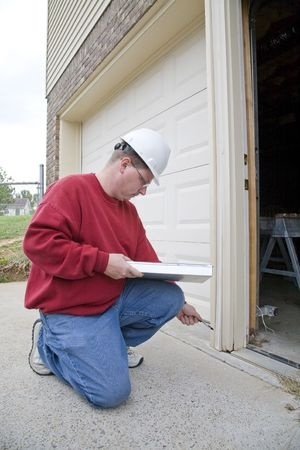
Inspection Contingency: The home must pass a professional home inspection and/or testing for things like Radon, mold etc.
Appraisal Contingency: The property must appraise for at least the agreed upon purchase price.
Successful Home Closing Contingency: As a buyer, the home you are selling already has an offer on it and you are waiting for it to successfully close.
Pros of Writing Offers with Contingencies
Protects the buyer’s interests
- The primary advantage of including contingencies in an offer is that it provides a safety net for the buyer. If unforeseen issues arise, such as difficulty in obtaining financing or problems uncovered during a home inspection, the buyer can withdraw without losing their earnest money deposit. This protection ensures that buyers aren’t forced into a deal that could jeopardize their financial stability.
Allows time for necessary steps
- A contingent offer gives buyers time to resolve critical issues, such as selling their current home or securing a mortgage. For example, if a buyer’s funds are tied up in their existing property, a home sale contingency allows them to align the timing of the sale and purchase without financial strain.
Certain contingencies can provide leverage in negotiations
- If the inspection reveals minor issues, the buyer can request repairs or a reduction in price or threaten to walk away. Sellers may be willing to make concessions to keep the deal alive, especially in a buyer’s market, or at higher price points where demand is lower.
Minimizes financial risk
- Without contingencies, buyers might be legally obligated to complete the purchase, even if circumstances change. For instance, if a buyer fails to secure financing and lacks a financing contingency, they could forfeit their earnest money or face legal action.
Contingencies significantly reduce risk
- First-time buyers often rely on contingencies to navigate the complex home-buying process. With contingencies in place, they can proceed with confidence, knowing they have room to address unforeseen challenges without severe consequences.
Cons of Writing Contingencies in Offers
Reduces Appeal to Sellers
- From the seller’s perspective, contingencies add uncertainty to the transaction. Any type of contingency signals that the deal may fall through if the conditions aren’t met, making it less attractive than a non-contingent or cash offer. In competitive markets, where multiple offers are common, sellers are likely to favor offers with fewer strings (contingencies) attached. I’ve got plenty of stories I can share about this!
Risk of Losing the Property
- In hot real estate markets, contingent offers often lose out to stronger, more straightforward offers. If a seller receives multiple bids, they may bypass a contingent offer in favor of one with fewer potential roadblocks, even if the contingent offer is higher in price.
Time Sensitivity and Deadlines
- Contingencies often come with strict deadlines. For instance, a financing contingency might require the buyer to secure a loan within 30 days, or a home sale contingency might have a specific timeline for selling the buyer’s existing property. Failing to meet these deadlines can void the offer or lead to penalties.
Weaker Negotiating Position
- Buyers with numerous or out-of-the-ordinary contingencies may have less leverage when negotiating terms such as price, closing costs, closing dates, or repairs. Sellers might be less willing to accommodate requests if they perceive the deal as uncertain or overly complicated.
Potential for Double Costs
- A home sale contingency can leave buyers in limbo, particularly if they move forward without selling after their contingency gets called. In such cases, buyers may face overlapping costs, such as paying for two mortgages, insurance, and property taxes, until their existing property sells.
Tips for Writing a Strong Contingent Offer
Please note there is a big difference between an offer including common contingencies (think inspection, financing, appraisal) and an offer contingent on the sale of a home. If you decide to write a contingent offer, consider these strategies to make it more appealing to sellers:
Limit the Number of Contingencies
- Include only the contingencies you truly need or that your agent communicates are common with most offers. A simpler offer is often more attractive to sellers.
Set Realistic and Short Timelines
- Tight deadlines for resolving contingencies can reassure sellers that you’re committed to closing the deal quickly.
Provide Evidence of Financial Stability
- Offer a larger earnest money deposit or include a pre-approval letter from a lender to demonstrate your seriousness and financial readiness.
- A higher offer price can offset the perceived risk of a contingent offer, making it more enticing for sellers.
Negotiate the Kick-Out Clause
- A kick-out clause allows the seller to continue marketing their home while your contingencies are resolved. If another buyer makes an offer, you’ll have a set period to remove your contingencies or step aside and withdraw/cancel your offer.
If this sounds like a lot, don’t worry. I have been successfully negotiating home sales for sellers and buyers since 2001. Let me put my years of knowledge to work for you!
Common Buyer Misconceptions of a Home Sale Contingent Offer
- You think you are submitting a strong offer, but you’re not. A home sale contingency offer is the least desirable of all offers to a home seller. A seller accepting this type of offer is doing so in hopes that your home actually sells. Once a home seller accepts this type of offer, the showings generally slow considerably as they are basically taking their home off the market waiting for your home to sell. Because of the unknown, sellers demand a premium from the buyer.
- You think you are actually securing the purchase of the home. You may have an accepted offer if the seller agrees to this type of contingency, but you have no type of guarantee that the home you just fell in love with will actually be the one you buy. With an accepted offer of this type, sellers continue to market their home for sale and if another non-contingent buyer submits an offer on the home, you may only have “x” amount of time to prove that the home you are selling has an accepted offer on it or that you qualify to purchase the new home without selling first. Generally speaking, most sellers require a “kick-out-clause” where the seller will only give you a few days after they call your contingency. If you do not have an accepted offer on your home within that kick-out-clause timeframe the sellers can move on to the other offer and you’re back to square one. However, now you have your home on the market and you don’t know where you will move to. Additionally, with a kick-out-clause, sellers can call your contingency at any time, whether they have received another offer or not. They get tired of waiting.
- You think you have the upper hand in negotiating. You could have an 850-credit score and a 50% down payment, but most sellers still want list price or higher to even consider this type of offer. They weigh the risks and require additional incentives for accepting your offer. Even if your offer was accepted by the seller, many homebuyers become afraid of losing their dream home and end up selling their current home, in a panic, for less than they could have. You might overpay by $10,000 or more on the purchase and sell for $10,000 less than you could have. Is a potential $20,000 swing worth the convenience? It adds up quickly.
Why Do Sellers Require a Premium When Accepting Home Sale Contingent Offers?
- They have no idea if your home is priced correctly.
- They have no idea how motivated you are to actually sell your home.
- They have no say in the qualifications of the agent you hire to sell your home.
- They would be accepting double the normal amount of contingencies to get their home sold. If an average buyer generally submits an offer on a home with an inspection, appraisal and financing contingency, adding one more home sale to the mix essentially doubles the hurdles needed to successfully close.
Alternatives to Writing a Home Sale Contingent Offer
 If you’re wary of writing a contingent home sale offer, consider these alternatives:
- Bridge Loan: A short-term loan that allows you to buy a new home before selling your current one.
- HELOC (Home Equity Line of Credit): Use the equity in your current home to fund the down payment or outright purchase of your new home.
- Secure an offer on your home, then write the offer on your next purchase before your current home closes. Obviously temporary housing may be needed if you have ultra specific requirements for your next home and nothing comes on the market before you close your home sale or you are unable to time the closing dates.
The New Contingent Home Sale Offer
Ever since I started my career in real estate, offers to purchase a home contingent on the successful sale of a buyer’s home have not been a common occurrence. Years ago they were. Prior to the housing bubble it seemed like everyone could easily secure a bridge loan or qualify to purchase their next home without selling first. If you weren’t willing to take on that type of risk (buying before selling), contingent offers were more common.
Times have changed. Lending requirements have tightened, and many people just aren’t willing to take on the risk of double payments even if they qualify to do so. So, what are people doing to navigate the home sale then purchase process?
I recommend people start by getting their home ready to put on the market. Bring on the home stagers, pre-inspections, painters, and plenty of moving boxes for de-cluttering and pre-packing. When the home is ready for the market, we immediately start shopping! Once we find a few homes that pique your interest, we immediately put your home on the market. When an offer is secured on your home, we turn around and write an offer on the home of your choice that is contingent on the successful closing of the home you are selling. This is different than writing an offer contingent on the sale of a home. Your home already has an accepted offer on it and is simply waiting to close.
Bottom line
Writing a home sale contingent offer on a home can be both a safety net and a potential hurdle. While it protects buyers from financial risks and unforeseen issues, it can also reduce the offer’s attractiveness to sellers, especially in competitive markets. By understanding the pros and cons of offers with contingencies and tailoring your offer to the circumstances, you can strike a balance between safeguarding your interests and appealing to the seller.
Ultimately, whether or not to write a home sale contingent offer depends on your financial situation, the market conditions, and the specific property you’re pursuing. With careful planning and the right strategy, you can navigate the home-buying process with confidence and success. Just know that home sale contingency offers can be very emotional for people.
If you feel like a contingent offer is the only way you’ll ever get into your next home, please contact me to dicuss the right way to submit a contingent offer that gets a seller’s attention! Simply submitting a list price contingent offer, then promising to list your home within a week is no longer enough to get you into the home of your dreams.
It can work well, under the right circumstances
Every year thousands of homes sell with home sale contingent offers. It is important to understand the situation when this type of offer has the highest likelihood of getting accepted. In fact, I usually call sellers before writing the offer to see if they would even consider this type of offer. Not every seller will. Every seller’s motivation is different, but their market time and conditions in the area you are buying and selling give a lot of weight to a seller deciding to accept this type of offer. Expecting sellers of a new listing on the market to consider this type of offer without weeks of market time exposure will let you down more times than not. While home sale contingent offers aren’t often a seller’s first choice, they can work perfectly under the right circumstances.
Give me a call to discuss your unique situation to find out how best to move forward in securing your next home!
Read my post called Buyer Strategy for buying a home in Grand Junction for more tips or Buying a Home in Grand Junction that highlights the importance of hiring the BEST real estate agent to represent you.

My happy buyer clients!
PAUL ASPELIN, REALTOR®
GRI, SRES®, CNE
Serving Grand Junction, Palisade, Fruita and all of Mesa County
Text or Call (612) 306-9558 (locally based)
© 2024 Paul Aspelin, REALTOR®. MovetoGrandJunction.com Copyright protected. All rights reserved.
Photo Credit for Featured Image at top of page: © rawpixel, 123RF Free Images
Trusted Guidance for Buying a Home in Grand Junction
The process for Buying a Home in Grand Junction has changed with the NAR settlement requiring buyers to sign documents regarding representation and compensation BEFORE they even view a home. However, the need for working with the right real estate professional hasn’t changed one bit. In fact, it is more important than ever! Let me explain.
If you’re considering buying a home in Grand Junction, Fruita or Palisade it’s time to do some homework. Gone are the days of simply choosing an agent because they seemed nice at the open house or because they have been sending you recipe cards for the last six months. Buying a home in Grand Junction will be one of the biggest financial transactions of your life with more money on the line than ever before. Consumers can no longer afford to partner with part-time agents or those without the skills and expertise to help navigate you through to a successful closing.
First-Time Homebuyer, Second or Third Purchase or Relocating to Grand Junction
My happy buyer clients!
Whether you’re buying a new home in Grand Junction as a current resident or relocating to the Grand Valley, I can help. I’ve spent my 25+ year career successfully helping people buy their first home, upsize, downsize, build new construction, purchase vacant land, and secure investment properties.
My years of experience and number of clients might seem like great qualifying factors for working with an agent when buying a home in Grand Junction, but I offer so much more than traditional agents. My goal is not to “sell you a home”, but to find you the RIGHT HOME. While we tour homes, I am constantly pointing out things that will get flagged during an inspection, along with communicating what I see inside and outside, as if I am the buyer purchasing a property.
My job is to provide you with all the information I can so you can make an informed decision before you submit an offer. I understand the buying process, it’s second nature after assisting hundreds and hundreds of buyers over the years. Read my post about being your personal Grand Junction Relocation Guide!
The Importance of Hiring the Right Agent
In assisting buyers interested in buying a home in Grand Junction, Fruita or Palisade, I take a 3-prong approach to your journey.
My Relocation Buyers love their new house in Redlands 360 Easter Hill in Grand Junction
1) First, I make sure you understand the process at each stage of a transaction. From pre-approval with the right lender, utilizing the right loan, to what to expect from inspections, Radon testing, potential appraisal issues and other contingencies in real estate.
But where my skills really shine…
2) is in writing a purchase agreement that not only protects you, but is also attractive to the seller. I’ve worked in every type of market imaginable, and one thing I can always pride myself on… I have never been one of those agents who needed to write 10 offers for my buyer clients before we secured a home. I’m sure you’ve heard horror stories from unsuccessful buyers who literally gave up their home search out of frustration. “The market is just too difficult right now” is a common phrase heard. If that’s true, then how come the most successful agents are still finding success for their clients, even in the hottest of market conditions? It comes down to skill and experience. Two things that can only be gained through working with clients. You deserve more than to be an agent’s practice client while they try to figure out what works in this industry. I will clearly communicate what it is going to take to secure that home and only you decide which route to take with your offer.
3) My goal is to make you feel like your experience working with me was worthwhile, fun, educational, and that you understand that I have your best interests first and foremost at all times. I’ve never “sold” anyone a home, but I have successfully guided hundreds of people to make the best decision for them when buying a home.
Allow me to provide you with a home buying service nothing short of what I would do for myself. You might also like to read my post about helping you find an agent to sell your home. Best Grand Junction Real Estate Agent Referral.

Paul and wife, Michelle, at Emerald Lake, north of Crested Butte, CO
Read how my past clients have described the type of service I offer my clients, all of my clients, every time! Paul Aspelin Reviews and Recommendations. Connect with me on LinkedIn or send me an email.
Read my post about Best Grand Junction Real Estate Agents.
Text/Call 612-306-9558
PAUL ASPELIN, REALTOR®
GRI, SRES®, CNE
Grand Junction Real Estate Expert
Learn more about my experience and how I serve my clients
© 2024 Paul Aspelin, REALTOR®. MovetoGrandJunction.com Copyright protected. All rights reserved.
Your Grand Junction Real Estate Professional
Whether you are looking into Grand Junction Real Estate to purchase or sell a home, you’ve come to the right place. With my years of experience helping buyers and sellers, your Grand Junction real estate needs are my top priority. Live your vacation every day when you move to Grand Junction! I post short videos and announce new website posts on my Facebook page called Live Your Vacation in Grand Junction.
A Real Estate Partner You Can Trust!
Partnering with Paul Aspelin gives you the local market insight you desire and customer service you should expect. I’ve spent the last two decades of my career trying to raise the bar in an industry that has continually fallen short of expectations. I have successfully helped hundreds of clients through to a successful closing. The majority of my clients come from referrals from past clients. That should provide you with the comfort you need when considering a partnership with a real estate agent. Read my reviews and recommendations.
Whether your Grand Junction real estate needs are for purchasing or building a new home, or selling your current home, I can help.
Buyer Representation
The 2024 National Association of REALTORS® (NAR) settlement requires all home buyers sign a representation contract BEFORE you visit any properties. I have already been doing this with my buyer clients. I want you to fully understand the process and answer your questions before we begin looking. A buyer relationship is more important than ever. I recommend you always interview multiple agents. You can no longer just settle on the first agent you come across online or meet at an open house. These agents can be the nicest people in the world, but if they don’t have the experience to tackle every hurdle thrown your way, things may not work out in your favor.
Together we will get you into the homes you want to see while I educate you on the properties, the process, and the positioning for a successful offer. You’ve likely heard horror stories about people having a hard time securing properties in such a competitive environment. Just know, my clients don’t need to submit 10 offers before they are successful. Experience matters.
Seller Representation
Coming from the Minneapolis real estate market, I’ve noticed a significant difference between the homes listed in the Grand Junction real estate market. I know how to market homes in a more competitive environment. If you speak with an agent about listing your home and they tell you everything is perfect as it is, RUN! In over two decades of successfully assisting seller clients prepare and position their homes for sale, I have never walked into a home that couldn’t benefit from the way I help sellers get the most money for their homes.
It may sound cliché’ as every agent touts their abilities to sell homes. Allow me to show you how different and rewarding it can be. Done the right way, my process can put more money in your pocket and reduce your stress. My proven process was created by assisting hundreds and hundreds of clients since 2001. I encourage you to contact other top agents in the Grand Valley. Then, allow me to explain how I work with my valued clients. You’ll be amazed at how differently I approach listing your property, always working in your best interest. I want you to be happy.
Grand Junction Real Estate Agent Referrals
Are you a real estate agent looking to refer your out-of-town or out of state clients to a REALTOR® that can get the job done? I welcome your call to discuss your client’s needs and how I can best represent them for a successful closing. Whether your clients need to sell a home in the Grand Valley or relocate to this amazing community, I will make you look like a rock star!
You can read the many reviews and recommendations I have received over the years here on my website. I pulled together client notes and paper surveys I have collected from past clients as well as online reviews. Let them explain how I do business and learn about my character. 😊
Live Your Vacation in Grand Junction!
Text or Call (612) 306-9558 (locally based)
PAUL ASPELIN, REALTOR®
GRI, SRES®, CNE
Grand Junction Relocation & Listing Expert
Connect with me on LinkedIn or send me an email.
Learn more about my experience and how I serve my clients
© 2024 Paul Aspelin, REALTOR®. MovetoGrandJunction.com Copyright protected. All rights reserved.
When Should I Sell My House?
Are you asking yourself “When should I sell my house”? or “Is THIS a good time to sell a home”? Sellers frequently ask me these questions. What they really want to know is “when is the best time to list my house for sale” because they want a quick sale and the highest price. The Grand Junction spring market usually provides the highest activity but more importantly, is your house ready? I mean really ready? First let’s talk about timing, then preparation.
Historic Real Estate Market
Under historic normal real estate market conditions, there were always very predictable market periods of activity and in-activity. The spring market flurry could start anywhere from the first week of January up to June. I’ve seen active spring markets last for 5 months and I have seen them last two weeks (think 2009).
Most Realtors® will agree that it feels like the spring market instantly turns on and off like a light switch. Many have joked that the spring market starts immediately after Super Bowl Sunday.
Once it starts, an active real estate market will usually cruise along with a slowdown around Memorial Day through the first couple weeks of June as attention shifts to graduations and the start of summer.
The rest of June and July are generally steady except for the week surrounding the 4th of July holiday. Activity will slow down in the last two weeks of August as people prepare for back to school, and many Realtors® take vacations with their own family.
The fall market takes off after Labor Day weekend in September and starts to slow at the beginning of November. Not surprising, the last two weeks of December have always been slow with people enjoying family and the holidays.
Of course, there are exceptions to the norm, and economic circumstances have a significant effect on the listing and sale of homes. Election years have shown lower activity but then accelerate afterwards, no matter who is currently in office and who won the election!
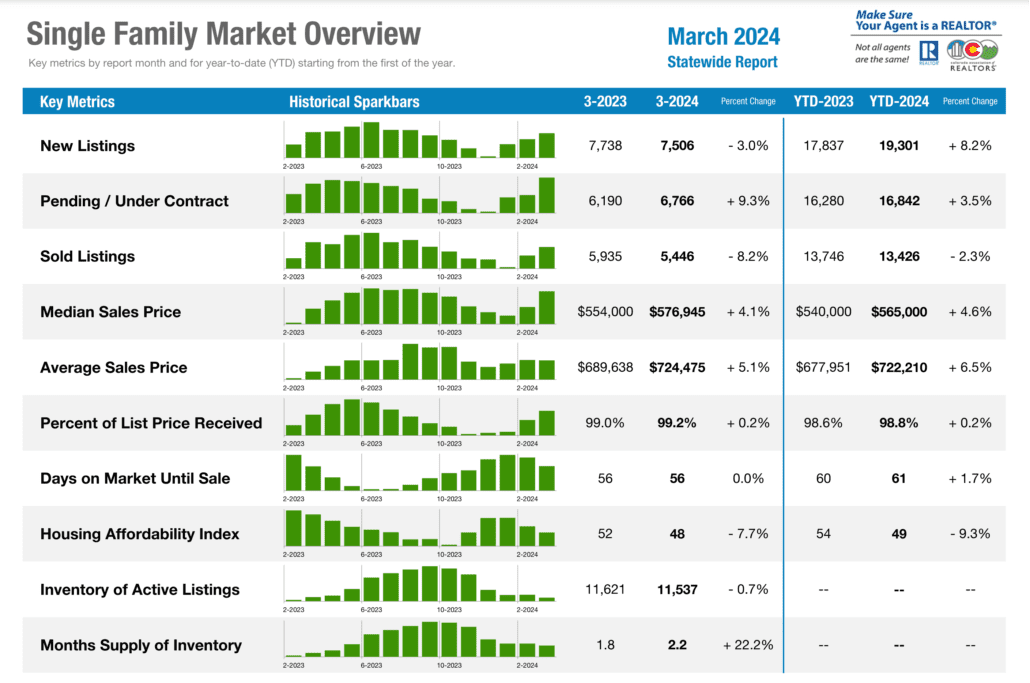
Here’s a chart from the Colorado Association of REALTORS from March 2024 showing a statewide Single Family Market Overview. Over a year, you can see the increases and decreases in the number of units on the market, pending, sold, etc. You can click on their website to get Mesa County specific reports or other Colorado counties.
Today’s Real Estate Market
This year is no exception with market activity coming to life in March and April, more people began to list homes for sale. I feel the rate of home showings for the rest of the year will follow normal ebbs and flows.
Any time there is limited inventory is a GREAT time to list your home. Buyers are out there waiting for homes to come on the market. Years ago, I would have estimated that four out of ten showings on a home would be from serious “I need to buy right now” buyers. The remaining six showings were people just starting to look or only “shopping” not ready to buy. Today, that ratio is more like 8 serious ready-to-move buyers out of every 10 home showings. This bodes well for sellers. It doesn’t take 50 showings to fetch a great offer on your home!
Preparing Your Property for the Market

Home prepared for the market.
I could write a whole post explaining the detailed advice I provide as a licensed real estate professional when it comes to preparing a home for the market. I want the absolute best for every client, every time. Each client deserves my full attention and my full list of enhanced services. No matter what price point their home will be listed for on the MLS.
There are several “must do” items, however sometimes I say, “Skip it, save your money”. During a consultation, I address home inspections, appraisals, home staging, cleaning and repairs, updates, etc. The thing is, each property truly IS unique. I prefer to meet with my clients in person and explain my services and advice specific to THEIR property. In fact, that initial meeting with homeowners’ lights me up. I get energized by helping create a detailed plan for success. I enjoy hearing a seller’s story. I ask a lot of questions so I can fully understand their objectives and their timeline. So, when I started this post about when should I sell my house, what I want you to think about first is if your home is truly READY for the market. Then we can talk about when to list it for sale.
If you are considering selling your property, call me for honest advice and guidance you can count on. I have been listing and selling homes since 2001. Let me put my real estate experience to work for you!
You can read the many reviews and recommendations I have received over the years here on my website. I pulled together client notes and paper surveys I have collected from past clients as well as online reviews. Let them explain how I do business and my character. 😊
Paul Aspelin Reviews and Recommendations
Text/Call 612-306-9558
 Text/Call 612-306-9558
PAUL ASPELIN, Realtor®
GRI, SRES®, CNE
Connect with me on LinkedIn or send me an email.
Learn more about my experience and how I serve my clients
© 2024 Paul Aspelin, REALTOR®. MovetoGrandJunction.com Copyright protected. All rights reserved.